紫砂器自明清以来便是文人雅舍不可或缺的茶事重器,清代紫砂匠人将塑器、刻字、造意融为一体,造就无数传世名壶,陈明远作为清代紫砂领域极具代表性的制壶名家,其留存作品素来为藏界与文博机构所珍重。本件陈明远制莲瓣诗文紫砂壶,是完整留存至今的名家原生传世紫砂遗存,集精巧莲瓣器型、文人题刻诗文、古法炼泥煅烧工艺于一体,完整承载清代江南文人饮茶风尚、紫砂造器体系与金石书法审美,兼具极高工艺美术研究价值、茶文化文史价值与名家紫砂收藏品级,是梳理清代中期紫砂工艺发展脉络、文人紫砂创作体系的核心标准实物。
Since the Ming and Qing dynasties, purple clay wares have been essential tea utensils in literati studies. Craftsmen of the Qing Dynasty integrated vessel shaping, calligraphic carving and artistic conception to create numerous handed-down famous teapots. As a highly representative master of purple clay craft in the Qing Dynasty, Chen Mingyuan’s surviving works have long been cherished by collectors and cultural institutions. This lotus-petal poetic purple clay teapot crafted by Chen Mingyuan is an intact handed-down relic of the master. It integrates exquisite lotus-petal form, literati inscribed poetry and ancient clay refining firing techniques, fully embodying the tea custom of Jiangnan literati, purple clay production system and epigraphic calligraphic aesthetic in the Qing Dynasty. It boasts extraordinary arts and crafts research value, tea cultural historical value and top-tier collection grade of master purple clay wares, serving as a core standard physical relic for sorting the development of purple clay craft and literati purple clay creation system in the mid-Qing period.
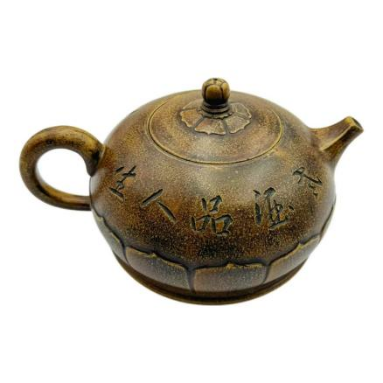
整器器型取莲苞为形,周身莲瓣层次分明,处处可见陈明远纯熟细腻的塑作功底。壶身整体呈扁圆饱满的莲苞形制,底部环绕一圈立体浮雕莲瓣,瓣面线条圆润舒展,分界清晰利落,自下而上层层收拢,将莲花含蓄温婉的气韵凝于砂器之上;壶盖以莲台为托,盖面塑六出莲瓣承托花苞形盖钮,盖钮纹理细腻写实,与壶身莲瓣纹饰上下呼应,浑然一体。一侧弯把弧度柔和,握持贴合掌心,另一侧短直流出水爽利,嘴、把、钮三点均衡对称,力学结构稳当协调,是清代名家制壶经典的黄金比例范式。整件器物摒弃夸张繁复的造型堆砌,以莲花清雅意象为核心,塑作线条柔和内敛,完美契合清代文人推崇的清雅淡泊审美,将自然花器意趣与实用泡茶功能高度融合。
The overall vessel takes lotus bud as its form with distinct layered lotus petals, fully demonstrating Chen Mingyuan’s mature and delicate sculpting proficiency. The pot body adopts a plump flat lotus bud shape, encircled by three-dimensional relief lotus petals at the base with smooth stretched outlines and clear dividing lines, converging upward to condense the gentle charm of lotus onto the clay ware. The lid rests on a lotus pedestal, with six carved lotus petals supporting a bud-shaped knob with delicate realistic texture, echoing the lotus petal decorations on the body to form an integrated whole. The curved handle on one side bears a soft radian that fits the palm comfortably, while the short straight spout on the other side delivers smooth water flow. The spout, handle and knob form balanced symmetrical three-point layout with stable mechanical structure, the classic golden proportion norm for master teapots of the Qing Dynasty. Abandoning exaggerated cumbersome shape stacking, the whole vessel centers on the elegant imagery of lotus, with mild restrained sculpting lines, perfectly matching the refined indifferent aesthetic pursued by Qing literati, seamlessly integrating natural floral artistic conception and practical tea brewing function.
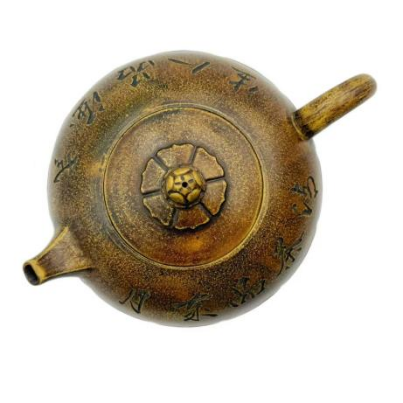
壶身外壁阴刻行书诗文,笔墨洒脱隽永,是清代文人紫砂标志性的诗书相融表达。器身环绕镌刻行草题字,字迹运笔流畅起落分明,刀刻追随笔墨气韵,深浅变化贴合书法提按顿挫,无生硬刻板之感,将文人金石笔墨意趣复刻于紫砂胎体之上。诗文字句寄托古人品茶观世的悠然心境,字句排布疏密得当,与圆润莲瓣壶身形成刚柔对比,一器兼具塑器、书法、篆刻三重文人雅艺。陈明远深耕文人紫砂创作,擅长以诗文入壶,让茶器不止为冲泡器具,更成为承载文人情思、寄托精神志趣的载体,这件藏品刻诗文保存完整,字迹清晰无漫漶磨损,完整留存清代紫砂刻字工艺的原生风貌,直观呈现彼时文人与制壶匠人相融共生的雅致创作氛围。
Cursive poetry is incised on the outer wall of the pot body with unrestrained timeless brushwork, representing the iconic integration of poetry and ware on literati purple clay of the Qing Dynasty. Cursive inscriptions circle the vessel with smooth distinct strokes. Carving depth follows the rhythm of calligraphic lifting and pressing without rigid stiff texture, reproducing epigraphic brush charm on purple clay body. The poetic lines embody the leisurely state of mind of ancient people tasting tea and observing the world, with well-proportioned layout creating a rigid-soft contrast against the rounded lotus-petal body. A single vessel integrates three refined literati arts: sculpting, calligraphy and seal carving. Chen Mingyuan devoted himself to literati purple clay creation and excelled at embedding poetry onto teapots, transforming tea wares from simple brewing tools into carriers holding literati thoughts and spiritual aspirations. The inscribed poetry on this collection remains intact with clear unworn characters, fully preserving the original style of purple clay carving craft in the Qing Dynasty, directly demonstrating the elegant co-creative atmosphere shared by literati and potters of that age.
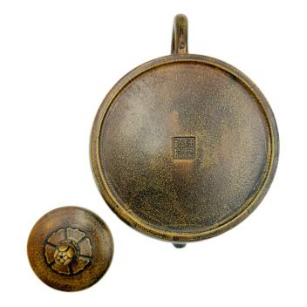
胎泥、包浆与底款完整留存陈明远制壶的原生工艺特征,历经数百年传世滋养,岁月痕迹温润自然。此壶取用宜兴本地深层优质紫砂原矿,经古法反复淘洗陈腐炼制,胎质细腻紧实,砂粒分布均匀柔和,色泽呈古润金黄砂调,是清代中期上乘紫砂泥料独有的质感。整器长年经茶汤浸润、人手摩挲,周身生成层次厚重温润的自然老包浆,浆色深浅过渡柔和,渗入砂胎细微孔隙,形成内敛沉静的古旧肌理,无刻意人工修饰痕迹。壶底落方形篆书 “陈明远” 私印款,印文镌刻工整清晰,笔画规整有力,为匠人专属原生底款制式,是辨识其手作真品的核心凭证。泥料炼造、塑器刀法、刻字笔法、印章款识形成完整统一的时代工艺链条,是研究陈明远个人制壶风格、清代宜兴紫砂泥料炼制技艺不可多得的实物范本。
The clay body, patina and base seal fully retain original craft characteristics of teapots made by Chen Mingyuan, with mild natural temporal traces nurtured over hundreds of years of handed-down collection. This pot is crafted from high-quality native purple clay ore deep mined in Yixing, repeatedly elutriated and aged via ancient methods to form fine compact body with evenly distributed soft sand grains and ancient mild golden clay tone, the exclusive texture of top-tier purple clay raw materials in the mid-Qing period. Long-term infiltration by tea soup and human hand rubbing has generated thick layered natural aged patina across the whole vessel, with soft gradient color seeping into tiny pores of the clay body to form restrained quiet ancient texture free of artificial modification. A square seal script private mark “Chen Mingyuan” is carved neatly at the base with regular powerful strokes, the exclusive original seal norm of the craftsman and core evidence to identify his handcrafted works. Clay refining, sculpting carving strokes, inscription brushwork and seal marks form a complete unified craft chain of the era, a rare physical model for researching Chen Mingyuan’s personal production style and ancient Yixing purple clay refining techniques of the Qing Dynasty.
数百载时光流转,这件陈明远莲瓣诗文紫砂壶跨越岁月留存至今,是清代紫砂文人化发展的标杆级传世珍器。明清紫砂发展至清代中期,文人深度参与制壶创作,将诗书画印融入茶器,陈明远便是这一风潮中极具创造力的代表匠人,这件莲瓣诗文壶融合花器塑作、书法篆刻、古法炼泥多重技艺,浓缩清代江南文人茶事的全部雅致意趣。温润紫砂封存着数百年茶汤浸润的烟火气息,莲瓣塑纹藏着匠人师法自然的巧思,壶身诗文镌刻着古人淡泊从容的处世心境,清晰底款定格一代紫砂名家的创作印记。它早已超越一件泡茶器具的范畴,是串联清代宜兴紫砂产业、文人茶文化、传统金石书法艺术的珍贵高古传世遗存,静静诉说紫砂史上文人与匠人共生共赏的千年风雅,让今人透过温润古砂肌理,触摸清代紫砂炉火之上独有的人文匠心。
After hundreds of years, this lotus-petal poetic purple clay teapot by Chen Mingyuan has survived through time as a benchmark handed-down treasure representing the literati transformation of purple clay craft in the Qing Dynasty. By the mid-Qing period of Ming-Qing purple clay development, literati deeply participated in teapot creation, integrating poetry, painting, calligraphy and seal carving into tea wares, and Chen Mingyuan stood as an exceptionally innovative craftsman of this trend. This lotus-petal poetic pot combines floral sculpting, epigraphic carving and ancient clay refining techniques, condensing all elegant charm of literati tea customs in Jiangnan during the Qing Dynasty. Mild purple clay preserves mortal tea fragrance nurtured by hundreds of years of tea soup infiltration, lotus petal sculptures embody the craftsman’s ingenuity drawing inspiration from nature, inscribed poetry on the vessel records the indifferent leisurely life philosophy of ancient people, and the clear base seal freezes the creative mark of a master purple clay craftsman. Far beyond a simple tea brewing vessel, it is a precious handed-down relic linking Yixing purple clay industry, literati tea culture and traditional epigraphic calligraphy art of the Qing Dynasty. It quietly narrates the thousand-year elegance of coexistence and mutual appreciation between literati and craftsmen in purple clay history, allowing modern viewers to touch the exclusive humanistic ingenuity above ancient purple clay kiln fire through mild aged sand texture.