甲子款汝釉三足奁
在中国宋代五大名窑的序列里,汝窑以 “雨过天青云破处” 的釉色冠绝群瓷,而这件甲子款汝釉三足奁,正是汝窑工艺与宋代文人审美交融的典型代表。它以温润的釉质、简洁的造型与暗藏的款识,为我们还原了千年前宋代宫廷文房的雅致风貌,成为跨越时空的美学信物。
Among the Five Great Kilns of the Song Dynasty in China, Ru Kiln stands out for its glaze color described as "the sky after rain when clouds break". This Jiazi Mark Ru Glaze Tripod Censer is a typical representative of the fusion of Ru Kiln craftsmanship and Song Dynasty literati aesthetics. With its warm glaze, simple shape and hidden mark, it restores the elegant style of the Song Dynasty imperial study a thousand years ago, becoming an aesthetic token that transcends time and space.
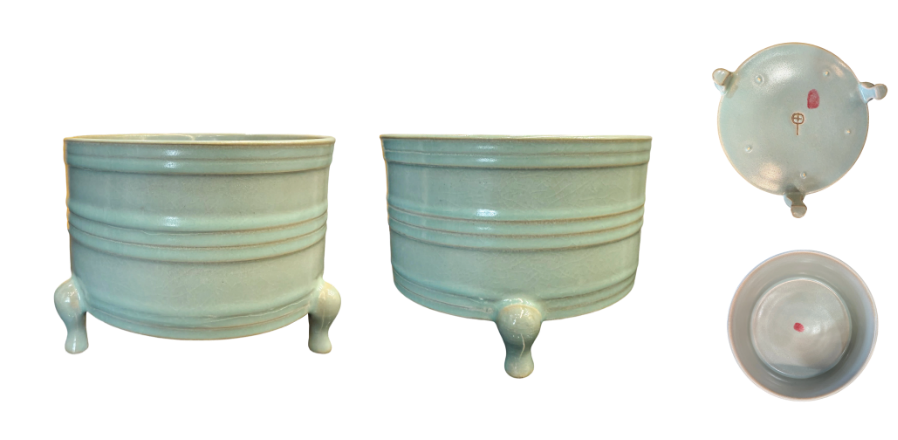
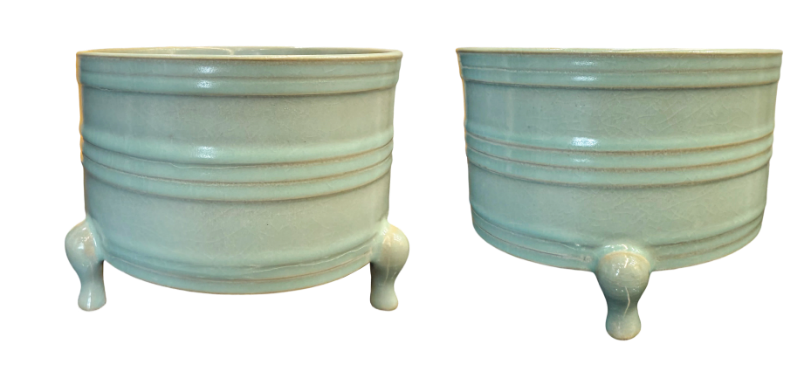
器物整体呈圆筒状,口沿微撇,器身以四道弦纹为饰,线条简洁利落,既强化了器物的层次感,又暗合宋代 “极简尚雅” 的审美追求。外壁施满天青色汝釉,釉面布满细密的冰裂纹,如同晨露凝结在瓷胎上自然绽裂,每一道纹路都带着岁月浸润的温润质感。三足作兽蹄形,饱满圆润,与器身的弦纹形成视觉呼应,既保证了器物的稳定,又让整体造型在简约中透出一丝灵动。
The vessel is cylindrical with a slightly flared mouth. The body is decorated with four horizontal string patterns, which are concise and neat, not only enhancing the sense of layering of the vessel, but also echoing the Song Dynasty aesthetic pursuit of "minimalism and elegance". The outer wall is covered with sky-blue Ru glaze, and the glaze is full of fine ice crack patterns, like morning dew condensing and naturally cracking on the porcelain body, with each line carrying the warm texture of years of infiltration. The three feet are in the shape of animal hooves, plump and round, forming a visual echo with the string patterns on the body, ensuring the stability of the vessel while adding a touch of agility to the overall minimalist shape.
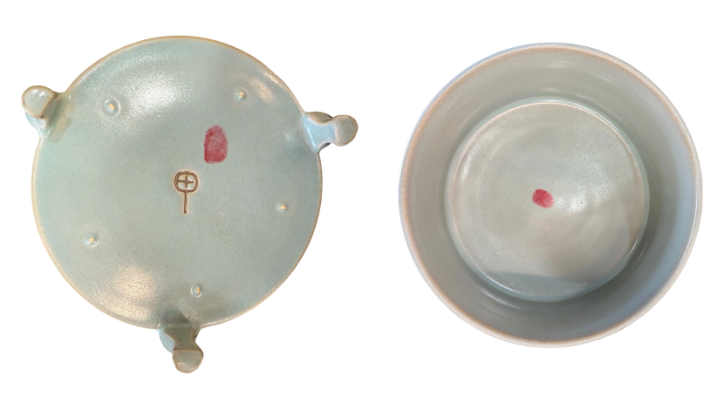
这件三足奁最引人注目的细节,在于底部的 “甲子” 款识。款识以细笔阴刻而成,旁侧还留有一处朱砂印记,应为宋代宫廷供器的验藏标识。“甲子” 作为干支纪年的符号,既可能是器物烧制的年份,也暗含着宋代文人对 “天人相应” 的时间哲思。在宋代,汝窑瓷器多为宫廷御用,这类带纪年款的器物尤为罕见,它不仅是工艺的见证,更承载着宋代宫廷对时间与秩序的敬畏。
The most striking detail of this tripod censer lies in the "Jiazi" mark at the bottom. The mark is engraved with fine lines, and there is also a cinnabar mark beside it, which should be an authentication mark for Song Dynasty court ritual vessels. As a symbol of the sexagenary cycle, "Jiazi" may not only be the year the vessel was fired, but also implies the Song Dynasty literati's philosophical thinking on the "correspondence between heaven and man" in time. In the Song Dynasty, Ru Kiln porcelain was mostly used by the imperial court, and such vessels with chronological marks are particularly rare. It is not only a witness to craftsmanship, but also carries the Song Dynasty court's reverence for time and order.
在宋代的文房语境中,三足奁通常用作承放笔墨、印泥的文房器具,兼具实用与陈设功能。这件汝釉三足奁的釉色温润内敛,造型简约端庄,恰好契合了宋代文人 “平淡天真” 的审美理想。弦纹的设计源自商周青铜礼器的装饰元素,宋代工匠将其融入瓷器造型,既是对古礼的追慕,也是对文人风骨的隐喻 —— 如同弦纹的刚直利落,宋代文人以清雅的器物寄托着自身的精神操守。
In the Song Dynasty study context, the tripod censer was usually used as a stationery vessel for holding brushes, ink, and seal paste, with both practical and display functions. The warm and restrained glaze color and simple and dignified shape of this Ru glaze tripod censer exactly fit the Song Dynasty literati's aesthetic ideal of "plain and innocent". The string pattern design originates from the decorative elements of Shang and Zhou bronze ritual vessels. Song Dynasty craftsmen integrated it into porcelain shapes, not only as an admiration for ancient rituals, but also as a metaphor for literati integrity—just like the straight and neat string patterns, Song Dynasty literati entrusted their spiritual integrity to elegant utensils.
当我们凝视这件甲子款汝釉三足奁,仿佛能看见宋代文人在案头摩挲器物的身影,听见瓷胎与釉料在窑火中交融的轻响。它不仅是一件陶瓷珍品,更是宋代文人精神的物质载体,让我们在天青色的釉面与冰裂纹的肌理之间,读懂宋代工艺的精湛与文人审美的深邃。这件器物的存在,也提醒着我们:传统工艺的生命力,正源于对美学的坚守与对文化的传承,而那些跨越千年的瓷釉与纹样,依然在当代散发着动人的魅力。
When we gaze at this Jiazi Mark Ru Glaze Tripod Censer, we seem to see the figure of Song Dynasty literati stroking the vessel on their desk, and hear the soft sound of porcelain body and glaze blending in the kiln fire. It is not only a ceramic treasure, but also a material carrier of Song Dynasty literati spirit, allowing us to understand the exquisite craftsmanship and profound literati aesthetics of the Song Dynasty between the sky-blue glaze and the texture of ice cracks. The existence of this vessel also reminds us that the vitality of traditional craftsmanship stems from the adherence to aesthetics and the inheritance of culture, and those porcelain glazes and patterns that have spanned a thousand years still exude moving charm in the contemporary era.